

Zum Seiteninhalt

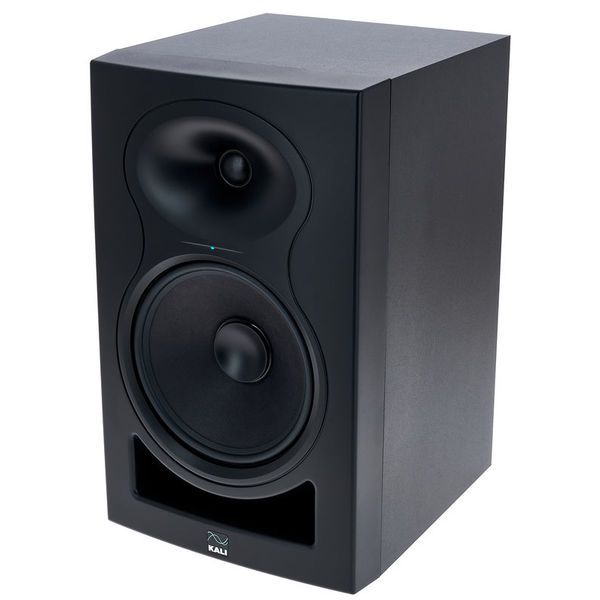
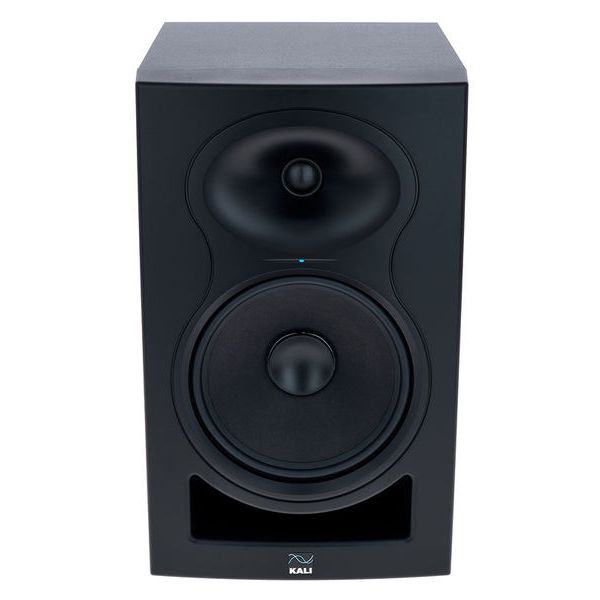
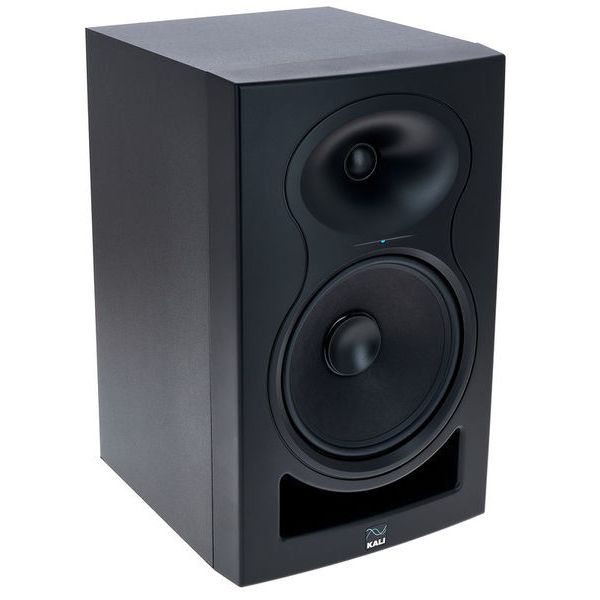
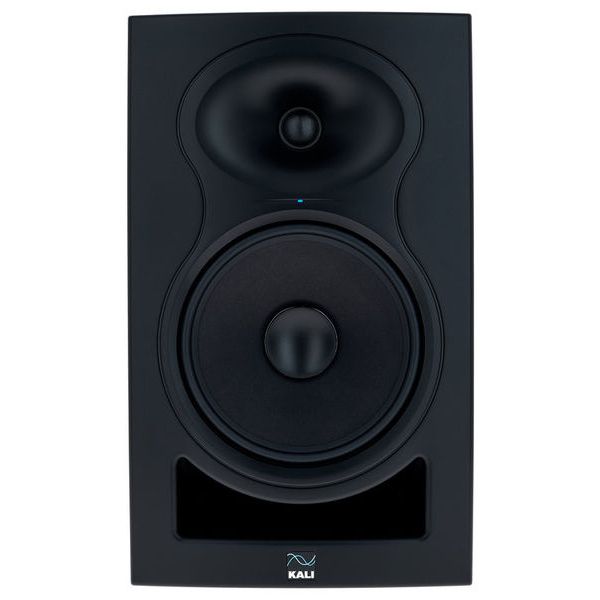
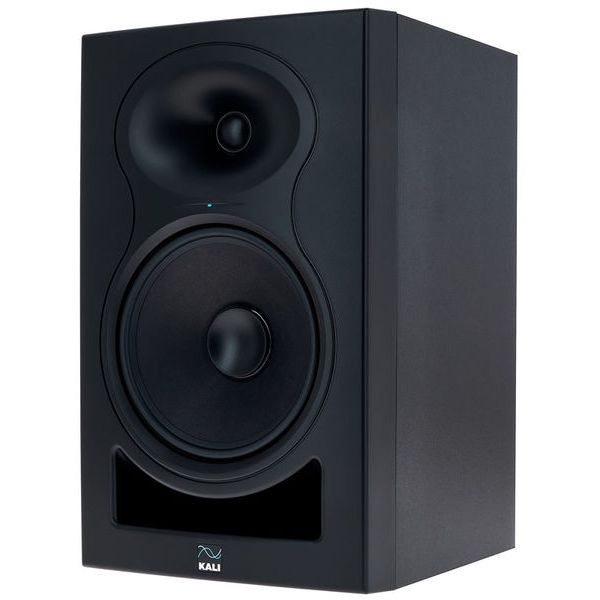
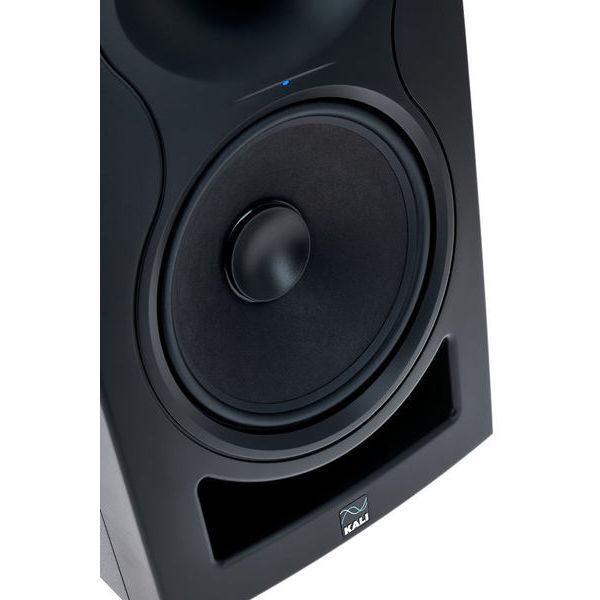
Aktiver 8" Nahfeldmonitor

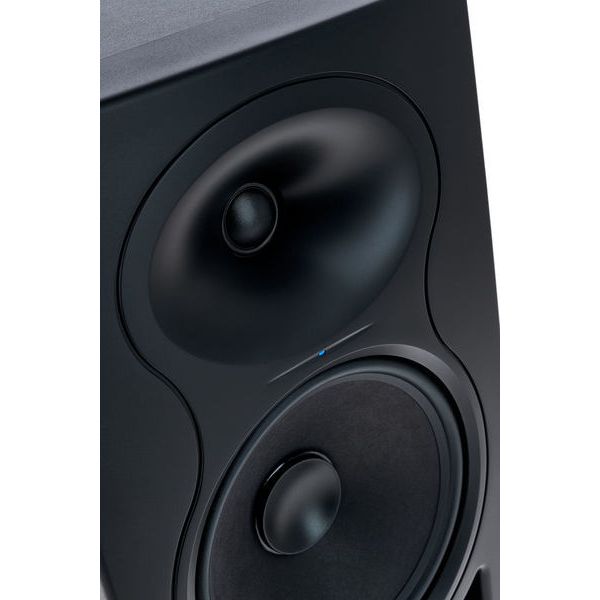
  • 3D-Imaging Waveguide Technologie für große, imaginäre Stereo-Bühnen
  • Bassreflexsystem
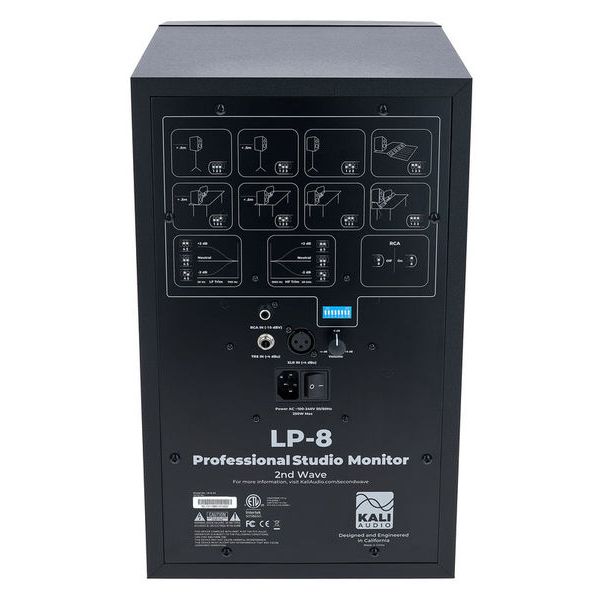
  • Boundary EQ zum Anpassen des Klangs in verschiedenen Studioumgebungen
  • Leistung: 100 W (60 W / 40 W Bi-Amped)
  • Lautsprecherbestückung: 8" Woofer mit reduzierter Masse, 1" Soft Dome Tweeter
  • Frequenzbereich: 37 - 25000 Hz
  • Crossover Frequenz: 1500 Hz
  • Schalldruckpegel: 85 dB SPL Continous
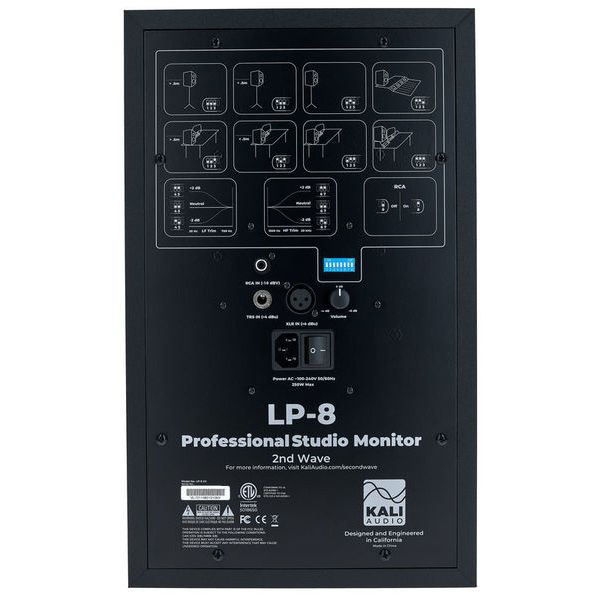
  • Eingänge: XLR, 6,3 mm Klinke (symmetrisch), Cinch
  • Eingangsempfindlichkeit XLR/6,3 mm Klinke: +4 dBu
  • Eingangsempfindlichkeit Cinch: -10 dBV
  • Abmessungen: 419 x 254 x 286 mm
  • Gewicht: 9 kg
  • Gehäusefarbe: Schwarz
  • Erhältlich seit November 2021
  • Artikelnummer 528945
  • Verkaufseinheit 1 Stück
  • Bestückung (gerundet) 1x 8", 1x 1"
  • Verstärkerleistung pro Stück (RMS) 100 W
  • Magnetische Abschirmung Nein
  • Analoger Eingang XLR Ja
  • Analoger Eingang Klinke Ja
  • Analoger Eingang Miniklinke Nein
  • Analoger Eingang Cinch Ja
  • Digitaleingang Nein
  • Manuelle Frequenzkorrektur Ja
  • Frequenzgang von 37 Hz
  • Frequenzgang bis 25000 Hz
  • Maße in mm 419 x 254 x 280 mm
  • Gehäusebauform - Bassabstimmung Bassreflex
225 CHF
Alle Preise inkl. MwSt.
Sofort lieferbar
1

Viel Monitor für wenig Geld

Mit dem LP 8 2nd Wave bietet Kali Audio eine überarbeitete Version ihres erfolgreichen und hochgelobten Nahfeldmonitors. Dank einiger Upgrades konnten Rauschabstand, Lautstärke, Frequenzgang etc. nochmals verbessert werden und so überzeugt auch der LP 8 2nd Wave in Sachen Messwerte, Performance und Ausstattung auf ganzer Linie. Die 100 Watt Leistung der modernen Class-D Endstufen, ein sehr lineares Klangbild und die Möglichkeit, die Monitore auf ganz einfache Weise den eigenen Räumlichkeiten oder der individuellen Arbeitssituation anzupassen, sind in dieser Preisklasse wirklich außergewöhnlich. Dazu gesellen sich noch ein paar weitere Detaillösungen, welche die Kali LP 8 2nd Wave zu wichtigen Helfern machen, um den eigenen Mix zu perfektionieren. Gerade kleine Projektstudios und ambitionierte Homerecorder werden von den neuen Kalis profitieren, ohne dabei tief in die Tasche greifen zu müssen.

Linearität als Priorität

Die zwei Class-D Endstufen der LP 8 2nd Wave liefern insgesamt 100 Watt pro Monitor und dank Upgrades sind jetzt bis zu 117 Dezibel Schalldruck bei nochmals geringerer Verzerrung möglich. Der 8,5-Zoll-Lautsprecher und die Bassreflexöffnung gehen nahezu linear bis 37 Hz tief in den Keller, ein Soft Dome Hochtöner rundet das Ganze bis 25.000 Hz nach oben ab. Der Hochtöner sitzt in einer ovalen Vertiefung (Imaging Waveguide), die für eine bessere Abstrahlung des Schalls sorgt, sodass dieser gleichmäßiger im Raum verteilt wird und die Sitzposition des Hörers kaum eine Rolle spielt. Als Anschlüsse für das Audiosignal stehen XLR-, Klinke- oder RCA-Eingänge zur Verfügung. Ein weiteres Highlight ist der achtfache Dip Switch auf der Rückseite. Mit ihm lassen sich die Kali LP 8 2nd Wave klanglich an so ziemlich jedes Szenario in Sachen Raum, Aufstellung oder Anbringung individuell anpassen.

Der Weg zum perfekten Mix

Die Kali LP 8 2nd Wave eignen sich hervorragend für alle ambitionierten Einsteiger in Sachen Homerecording und Projektstudios. Kaum einer von uns verfügt über einen akustisch optimierten Raum, daher ist es wichtig, dass man seine Nahfeldmonitore an den eigenen Arbeitsplatz anpassen kann. Das lineare Klangbild der LP 8 2nd Wave erlaubt zudem bereits ab den ersten Schritten eine aussagekräftige Bewertung des Mixes. Um noch mehr Schwachstellen aufdecken zu können, nutzen viele Musiker mehrere Abhörquellen und dank des attraktiven Preises sind die Kali LP 8 2nd Wave auch als Zweit- oder Drittmonitore eine interessante Alternative.

Über Kali Audio

Seit 2018 widmet sich die Firma Kali Audio dem Thema Lautsprecher und allem, was dazu gehört. Obwohl die Company noch jung ist, bündelt sich in ihr aber viel Kompetenz und Erfahrung, denn sie wurde von mehreren leidenschaftlichen Ingenieuren gegründet, die im Business bereits Jahrzehnte lang erfolgreiche Karrieren hatten. In Kalis Hauptquartier in Los Angeles/Kalifornien wird ständig daran gearbeitet, professionelle aber auch bezahlbare Produkte für die Musikwelt zu entwickeln und man darf gespannt sein, mit welchen Innovationen Kali den Markt noch überraschen wird.

Für jeden Arbeitsplatz

Eine der wichtigsten Aufgaben von Nahfeldmonitoren besteht darin, Schwachstellen im Mix aufzuzeigen. Bekanntlich spielt dabei nicht nur der Monitor eine große Rolle, sondern auch die Umgebung, in der er sich befindet. Das ist zum einen die Beschaffenheit des Raums (Größe, Form), aber auch die Frage, wo und wie der Monitor dort aufgestellt ist. Steht er auf einem Tisch oder auf einem Ständer? Hängt er an der Wand? Für all diese Eventualitäten lassen sich die Kali LP 8 2nd Wave anhand des Dip Switch optimieren und ermöglichen so immer einen nahezu linearen Frequenzgang. Dank der vorderseitigen Bassreflexöffnung kann man die LP 8 2nd Wave zudem sehr nahe an der Wand platzieren, was gerade bei beschränktem Platzangebot ein großer Vorteil ist.

20 Kundenbewertungen

4.9 / 5

Features

Sound

Verarbeitung

14 Rezensionen

DA
Gut, mit viel Low - end!
Der Anfänger. 14.03.2023
Hallo,

ich habe mich für diese Monitore entschieden:

1. weil es meinem Budget entsprach
2. weil ich keinen Sub - Woofer noch zusätzlich wollte

Die Einstellungsmöglichkeiten machen diese Box zu dem variabelsten, was ich unter den Monitorboxen gefunden habe.

Auch, dass die Bassreflex-Öffnung vorne liegt, war für mich ein Kaufargument.

Ich bin zufrieden und würde diesen Monitor jedem empfehlen.
Features
Verarbeitung
Sound
3
0
Bewertung melden

Bewertung melden

google translate gb
Leider ist ein Fehler aufgetreten. Bitte wiederholen Sie diese Aktion später.
HO
Awesome sounding monitors at great price
Hibiscus Of The Valley 30.01.2023
These are my first studio monitors, but prior to buying them I read a ton of reviews and listened to a bunch of similar products by different brands. My home studio is a small room (2.5 x 4 meters) and it is moderately sound-treated.

I had some doubts that 8" monitors are going to work good in such a small room, and even considered buying LP-6 v2 instead. However when I first listened to LP-8 v2 in there I was simply amazed by panorama and details that they provide. I doubt one can find a better sounding monitors for this price.
Features
Verarbeitung
Sound
8
1
Bewertung melden

Bewertung melden

google translate gb
Leider ist ein Fehler aufgetreten. Bitte wiederholen Sie diese Aktion später.
o
Probably the best option in this price range and not only
octa_khan 26.05.2026
These aren't exciting. They're not going to surprise you the first time you power them up. What they are is relentlessly, almost annoyingly, honest and that's the whole point.

The woofer extends down to roughly 39Hz usable. For a 2-way at this price, that's impressive. Bass is tight, controlled, and unhyped — you hear what's on the track, not bloated low-end flattery designed to make your beats sound bigger than they are. The front-firing port is well-tuned with no chuffing. Bass notes start and stop when they should.
The mid range is where the LP-8 earns its keep. Transparent without being thin, with actual body to it, and it doesn't sound strained when things get dense. Vocals sit naturally. Some reviewers parrot a supposed dip around 700-900Hz but honestly that's become a self-perpetuating talking point more than an audible problem. The 1.8kHz crossover is handled cleanly. The V2's soft dome tweeter is noticeably smoother than the V1 — detailed without being harsh, and you can sit in front of these for hours without ear fatigue. It won't give you the air of a ribbon tweeter, but it doesn't lie about sibilance or cymbal harshness either. Imaging via the wave guide is solid and the sweet spot is wider than expected. Noise floor is basically non-existent — the V2 dropped self-noise by 12dB and these things are dead silent at idle.

Now, comparisons with other monitors I owned (I replaced the LP-8s with a pair of IN-8s since a while back):

vs. Adam T5V: Completely different animals. The T5V has that signature ribbon brightness — a 5" monitor that emphasizes air and detail up top, sometimes at the cost of sounding thin and aggressive. The LP-8 has actual low end, a fuller mid range, and significantly more headroom. The T5V works for casual desk listening, but for real mix decisions, especially anything below 100Hz, the LP-8 is in a different league. Not a fair size comparison, but people cross-shop these constantly so it's worth saying.

vs. Fluid Audio FX80: The FX80's coaxial design gives it a slight edge in imaging coherence with everything from one point source resulting in precise spatial placement. But the trade-off is a somewhat scooped mid range and bass that multiple reviewers have accurately described as slightly sluggish. The LP-8 is tighter and more neutral through the mids, which matters more for mixing than the FX80's imaging party trick. Similar low-end extension on paper, but the LP-8's transient response is faster and the tonal balance less colored.

vs. Genelec 8030: This is where things get uncomfortable for Genelec. The 8030 is a 5" monitor costing significantly more per unit. Build quality is impeccable, the waveguide design is legendary, and the refinement is higher for sure: tighter transients, better controlled directivity, and that "I'll outlive your grandchildren" construction. But it's a 5" driver. The LP-8 gives you substantially more low-end extension, more headroom, and a bigger presentation for a fraction of the price. The 8030 wins on engineering pedigree and long-term serviceability, but on performance-per-euro the LP-8 is embarrassing it.

vs. Kali IN-8 V2: The IN-8 is the LP-8's bigger, smarter sibling. The 3-way design with its coaxial mid/tweeter assembly delivers noticeably better mid range clarity, tighter imaging, and more even off-axis response. The dedicated mid range driver frees the 8" woofer to focus on bass, and you hear the difference, cleaner, more separated, more resolved. The LP-8 is a very good 2-way; the IN-8 is a legitimately great 3-way. If you can afford the step up, take it. If you can't, the LP-8 gets you closer to IN-8 territory than anything else at its price.

vs. PreSonus Eris E8 XT: The Eris has more raw power and slightly deeper extension on paper. But the character is different: laid-back, almost relaxed. Transients are slower, the mid range sits further back, and while the wide sweet spot is nice, imaging isn't as precise. The LP-8 is the more revealing monitor. The Eris is more forgiving, which is either a feature or a liability depending on what you need. The Eris's continuously variable mid/HF knobs are more flexible than DIP switches, but that flexibility is also a trap for people who'll boost their way into problems.

vs. Eve Audio SC207: Different price class entirely. The SC207's AMT ribbon tweeter is gorgeous, detailed, smooth, with that specific airy quality soft domes can't replicate. But the SC207 is a 6.5" monitor reaching about 44Hz, so the LP-8 extends deeper and plays louder. The Eve is more refined with a more "finished" sound; the LP-8 is more workmanlike but covers more range for substantially less money. The Eve feels more like a vibe/songwriter reference than a mix/mastering one. If you can swing the Eve's price, go for the IN-8 instead, Eve's refinements do not outclass given the cost. If you can't, the LP-8 is the rational choice.

Bottom line: The LP-8 V2 is the monitor you buy when you want the truth without paying a premium for it. It doesn't flatter, doesn't hype, and doesn't pretend your mix is better than it is. For the price, there's nothing I'd recommend over it in the 2-way 8" category. Boring in the best possible way.
Features
Verarbeitung
Sound
0
0
Bewertung melden

Bewertung melden

google translate gb
Leider ist ein Fehler aufgetreten. Bitte wiederholen Sie diese Aktion später.
A
Great for the budget!
AlixEN 17.08.2023
This are one of the greatest monitors for a small studio the sound are huge. Good quality! Cheers from Mexico
Features
Verarbeitung
Sound
3
1
Bewertung melden

Bewertung melden